About
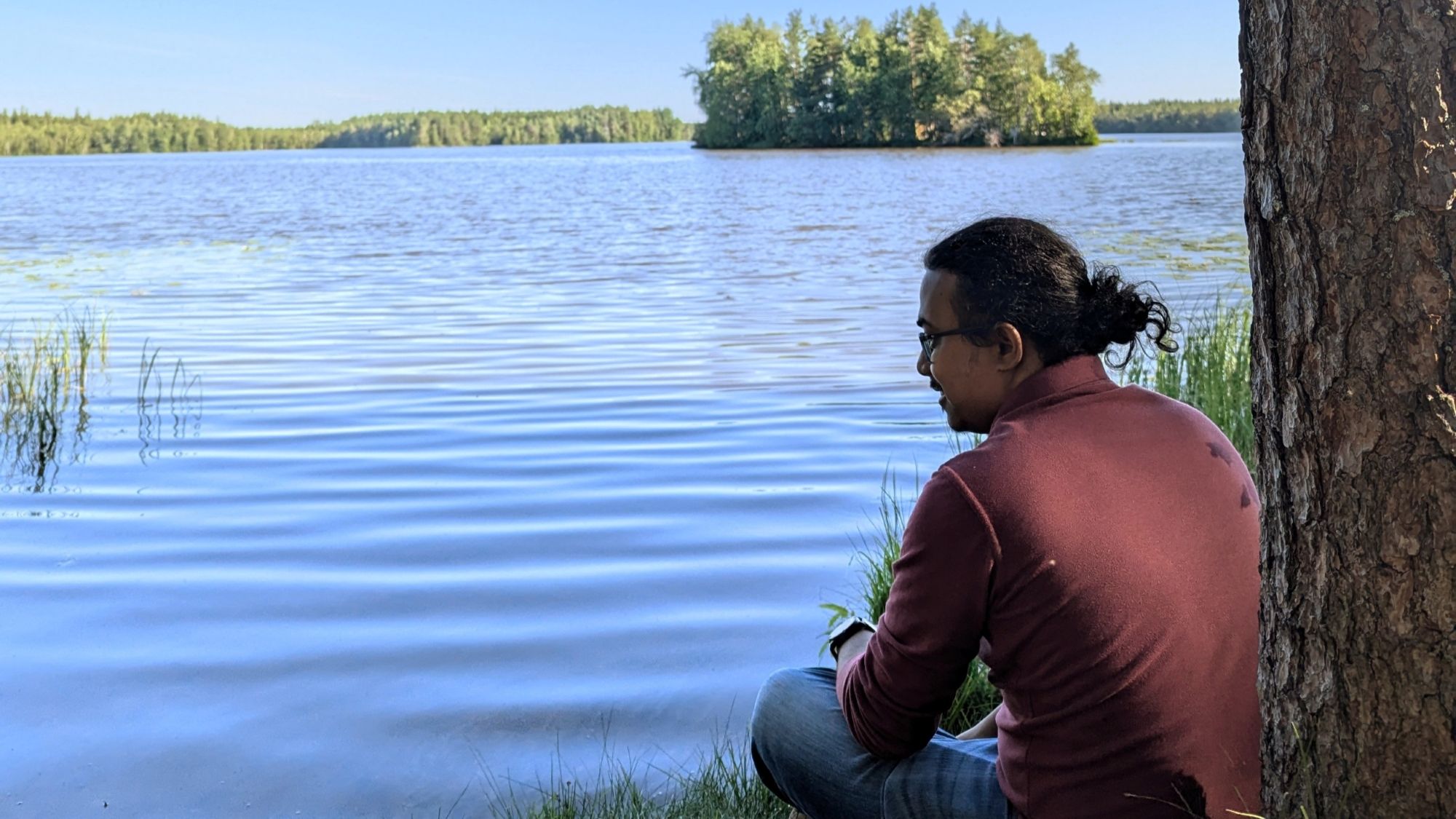
Journey and Purpose
Born and raised in Bangladesh, I am a global citizen and an engaged educator, driven by the belief that inclusive, equitable education is the most powerful tool for social change. My journey has taken me from Bangladesh to academic hubs across Europe and into the heart of humanitarian response, all with a single focus: empowering learners and educators to reach their full potential.
Academic Foundations
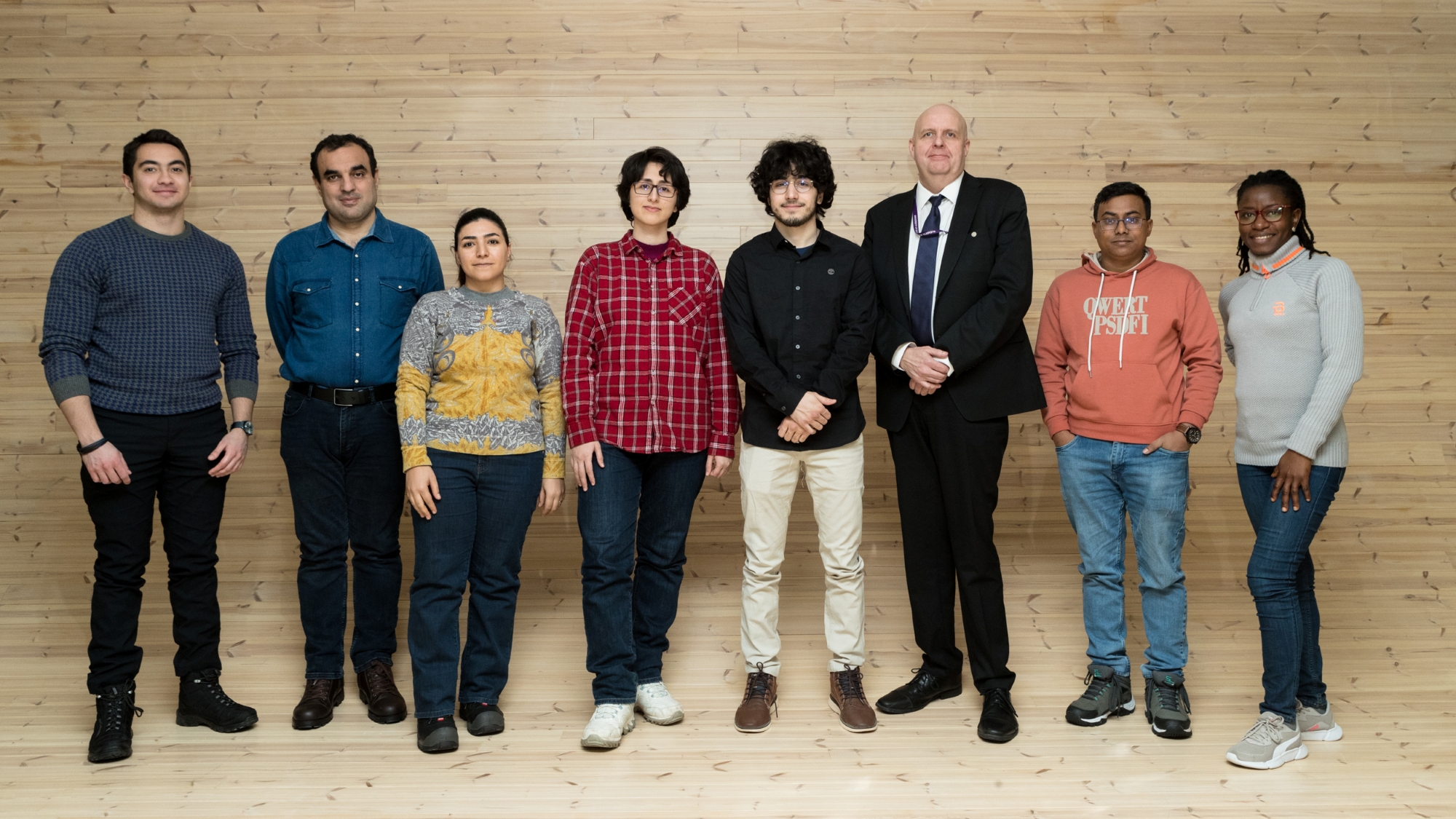
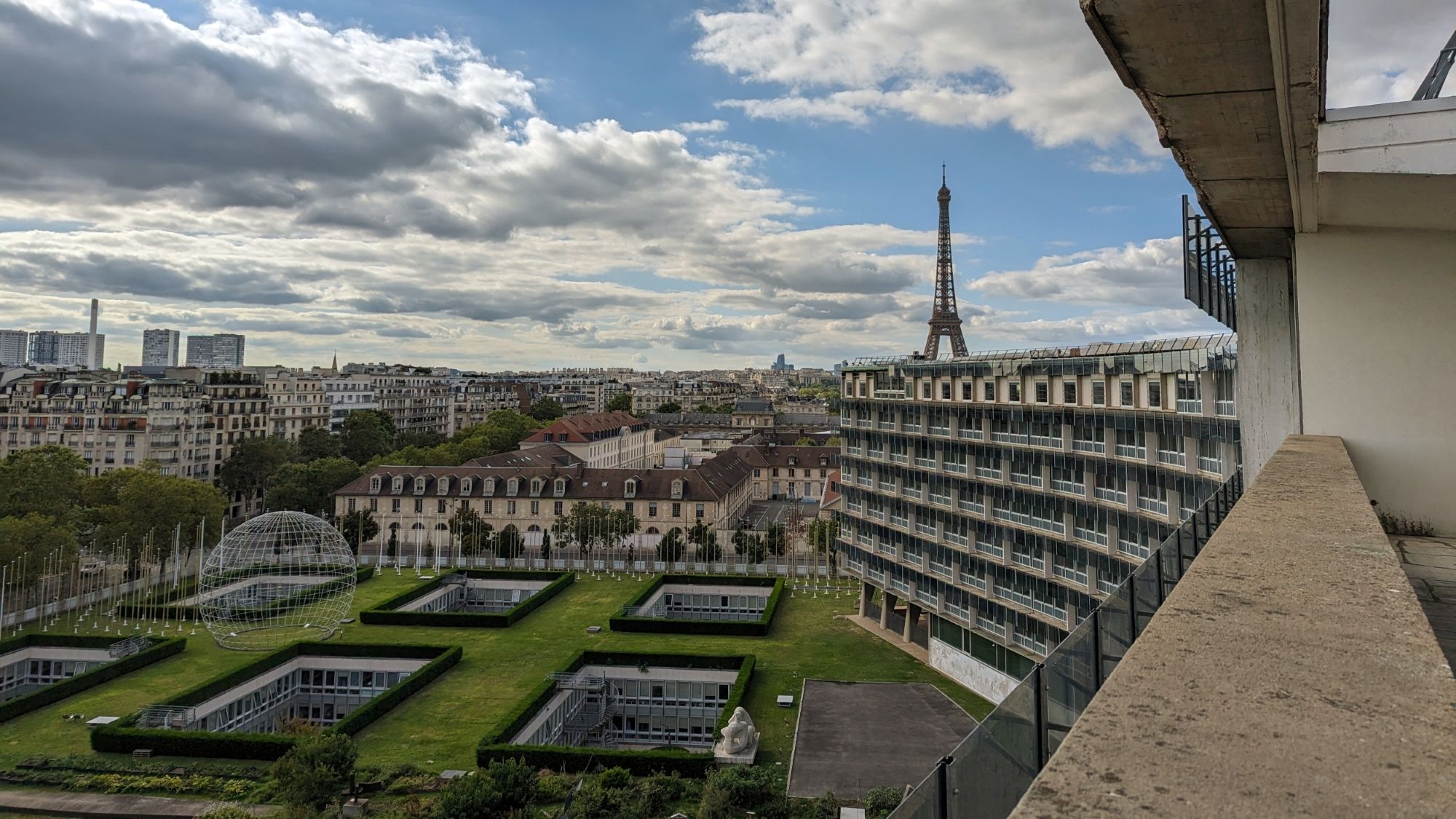
My academic path is a reflection of my global perspective. It began with a foundation in Education at the University of Dhaka, which led to a specialisation in Language Education. This curiosity about how culture and learning intersect propelled me to the University of Oulu, Finland, for a Master’s degree in Education and Globalisation, deepening my understanding of intercultural systems and policies.
Professional Contributions
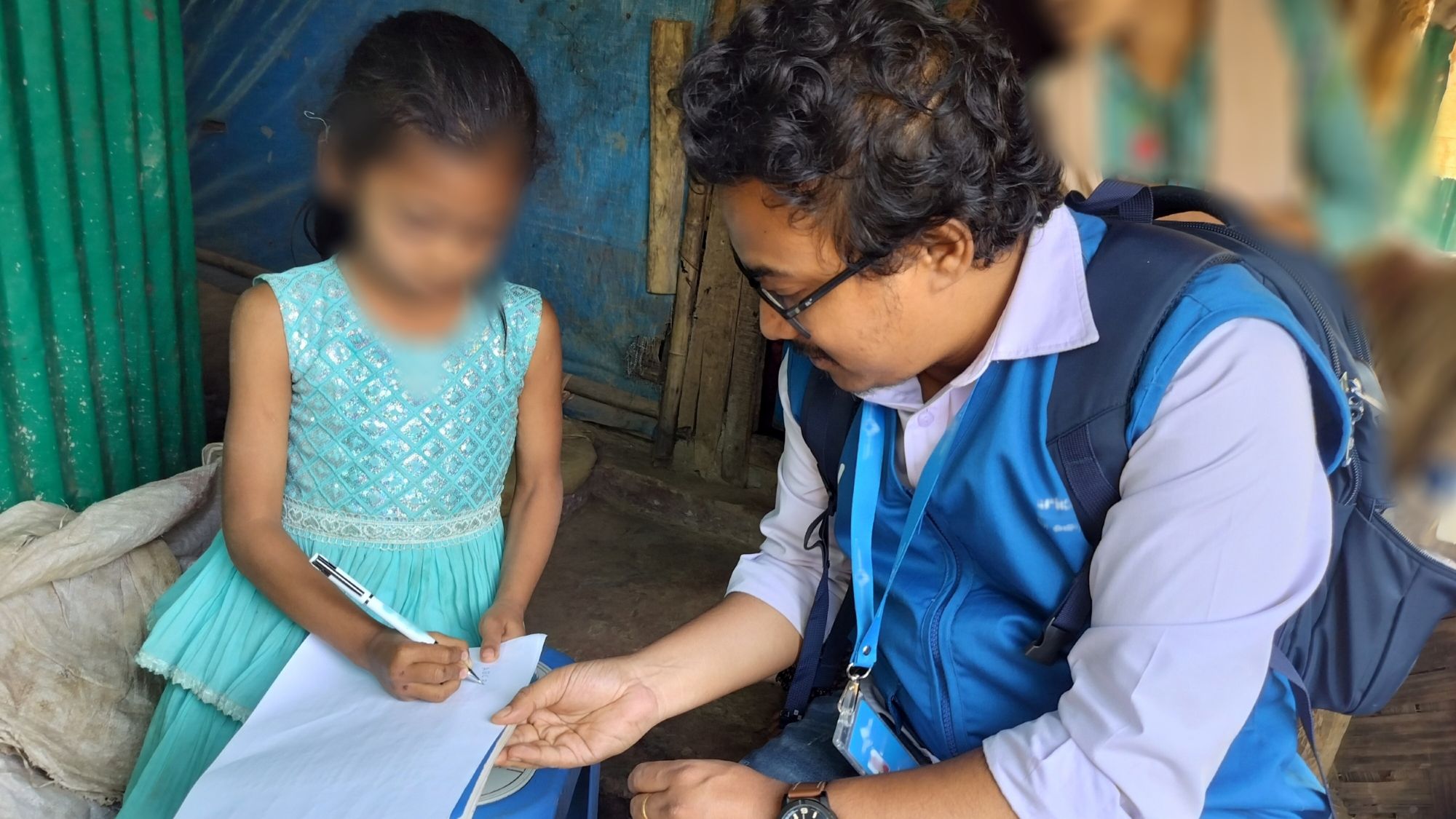
My career is a hands-on commitment to equity. I have transitioned from training teachers in innovative pedagogy to developing gender-transformative literacy programmes for adolescents in crisis settings. On the front lines of the Rohingya response, I have championed inclusive education, working directly for children with disabilities to ensure the most marginalised are not left behind. My work, from policy rooms to refugee camp learning centres and households, is united by a focus on practical, impactful change.
Commitment to Social Change
I am motivated by a simple, urgent question: who is left out of our education systems, and why? My research in decolonisation and critical theory seeks to challenge the status quo. I believe education must be democratised and liberated to serve as a true engine of justice. This cause fuels my dedication to creating spaces where every learner, regardless of background or ability, can thrive.
Trivia: My Name & the Story Behind it
My official name is Md Abu Nayeem. This is the name I use for my academic research, professional work, and formal profiles. Like many names in my culture, it does not strictly follow the Western structure of a first name and a surname; it is considered a single entity. You are welcome to address me simply as Nayeem, or Mr Nayeem in formal correspondence.
For my creative works, I use the name Nayeem Samdanee. You will also find this name across my cultural and social profiles, such as Facebook, Letterboxd, and Goodreads.
Two Worlds, One Self
Painted in 1939, in the raw aftermath of her divorce, Frida Kahlo’s The Two Fridas is an innate exploration of a fractured identity. The two figures depict her divided self: one, dressed in a European-style gown, represents the Frida that Rivera rejected; the other, in traditional Mexican Tehuana dress, is the Frida he had loved. Their exposed hearts are connected by a single artery, yet the European Frida’s heart is wounded, and she desperately clutches a surgical clamp, attempting to stem her own bleeding. The painting is a masterful, sharp portrayal of profound emotional and physical pain.
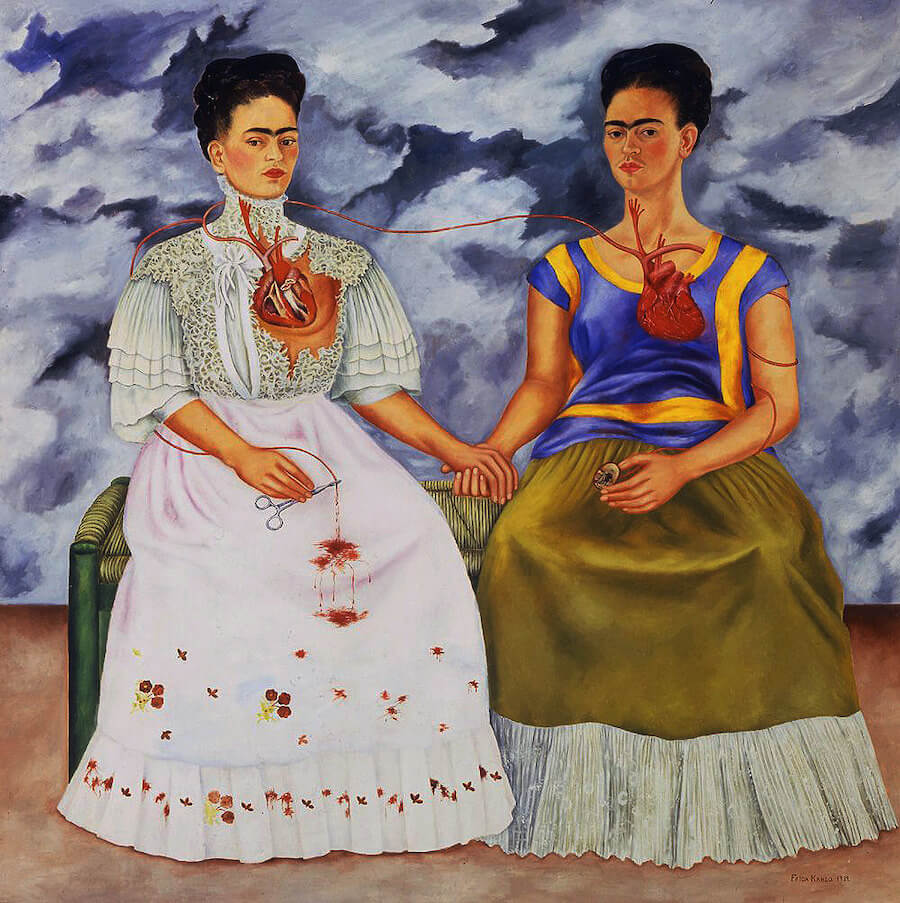
This artwork resonates with me powerfully, though not through a narrative of severance or rejection. Instead, I see in it the complex, inescapable bond of a dual existence. My own reality mirrors this composition: two selves, seated side by side, forever linked. One figure is the education professional, a love that grew steadily and sincerely over time. This is not a despised career merely endured for financial necessity; it is a discipline I deeply respect, one that provides genuine fulfilment and commands a great deal of my intellectual energy.
The other is the writer, a spirit that truly lives and breathes within the literary realm, a world that has fundamentally shaped my consciousness. In my version of this portrait, there is no surgical instrument to divide them. The connection is intact. Yet the very artery that binds them is a constant source of profound anxiety. My central concern is whether the considerable time, passion, and focus I pour into my profession are, however unknowingly, restricting my dedication to literature, a prospect I find truly devastating.
This internal conflict sharpens when I consider the almost mythic commitment of a figure like Gabriel García Márquez, who was so consumed by a creative vision that he abandoned his profession, sold his car, and pawned his wife’s jewellery to finish One Hundred Years of Solitude. There is undoubtedly a part of me, a writer held captive within, that yearns for such a dramatic and singular rupture, to surrender everything to the creative impulse.
However, my situation is far more intricate. Unlike Franz Kafka, who viewed his clerical work with contempt, or even Kahlo’s depiction of a rejected self, I do not perceive my professional life as a cage. It is a world I genuinely cherish and find meaning in. This is the heart of the dilemma: my conflict is not between a passion and a hated chore, but a tension between two authentic loves. Each demands a form of all-consuming devotion that a single life, constrained to twenty-four hours each day, seems incapable of satisfying. I am therefore left, much like the figures in the painting, in a perpetual state of beautiful yet burdensome duality.